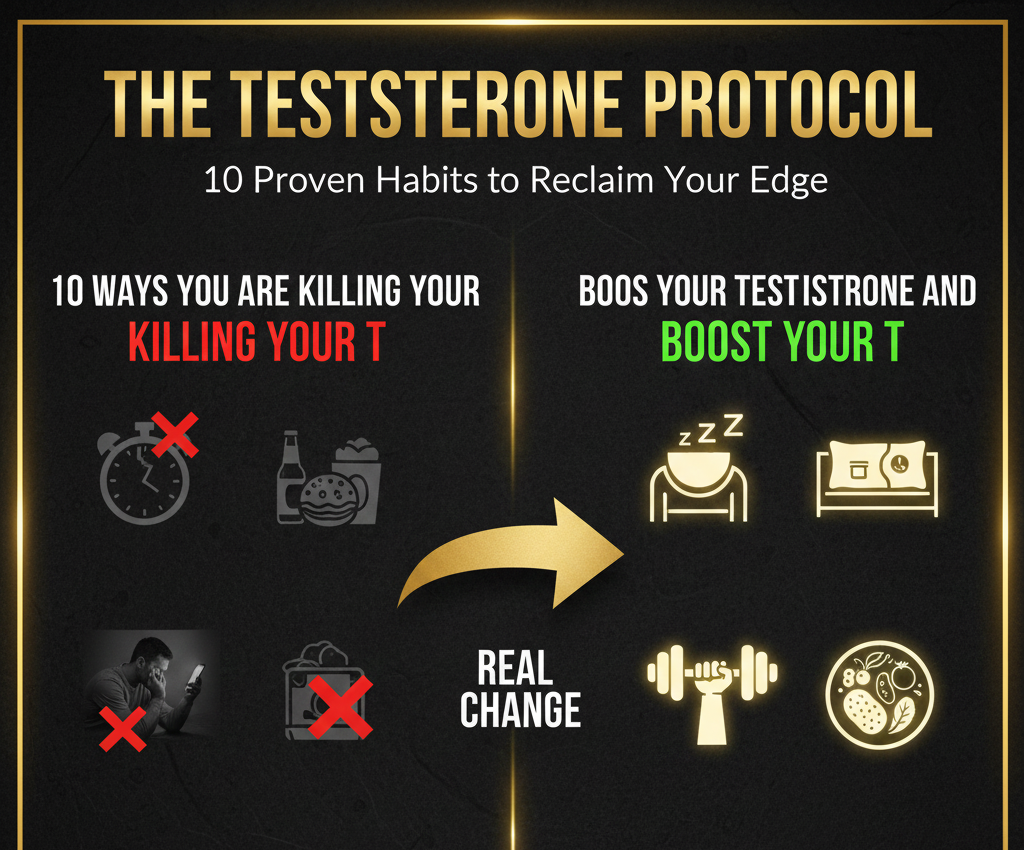
Alright, fellas, let’s get real. You walk into the pharmacy, or you scroll through Instagram, and you see endless promises: a pill, a powder, a special routine that’s supposed to turn you back into a teenager. But here’s the unvarnished truth: if your testosterone (T) levels are flagging, nine times out of ten, the culprit isn’t a secret deficiency; it’s your lifestyle choices.
Testosterone, the primary male sex hormone, is crucial for everything from muscle mass and bone density to sex drive and mood. Levels naturally peak in early adulthood, but after you hit about 30, serum concentrations exhibit a gradual, age-related decline, reducing by approximately 1% to 2% per year.
While Testosterone Replacement Therapy (TRT) is a well-established medical treatment for men with confirmed symptomatic hypogonadism (a true deficiency), most men who just feel a little “off” are simply burying their natural T production beneath bad habits.
Before you drop hundreds of dollars on unregulated snake oil or demand a prescription, let’s review the ten ways you are sabotaging your hormones and the evidence-based strategies that actually work to achieve natural testosterone optimization.
The Foundations: Lifestyle Sins (And the High-Leverage Fixes to Naturally Increase T)
If you ignore this section, you might as well stop reading. These are the biggest, most predictable levers you can pull to increase testosterone naturally.
1. You are Living in a State of Chronic Sleep Deprivation
This is the fastest way to age your hormones. Testosterone production follows a pronounced circadian variation, peaking naturally during the sleep cycle, requiring at least three hours of normal sleep architecture.
The Fix: Prioritize 7 to 10 Hours of Quality Sleep for Optimal T Levels
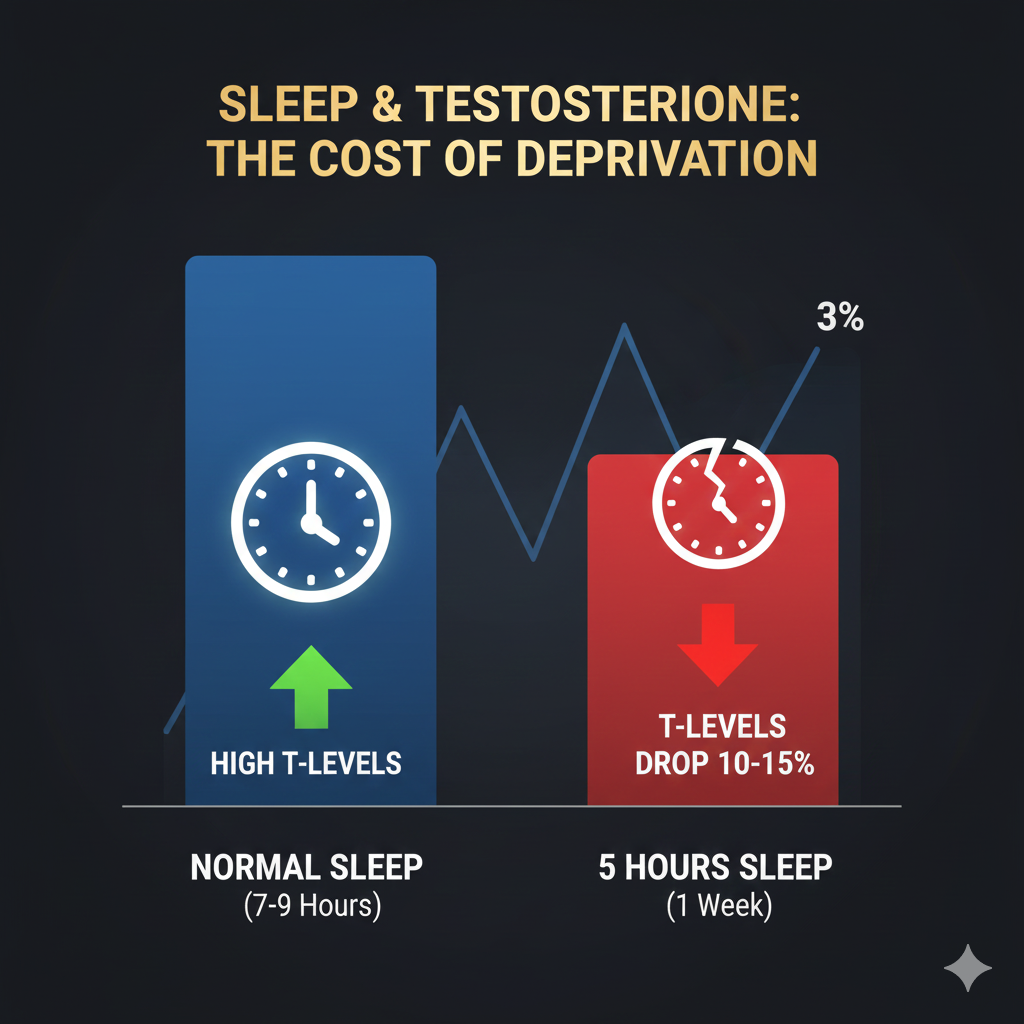
A controlled study of healthy young men demonstrated that restricting sleep to less than five hours per night for just one week caused their T levels to plummet by 10% to 15%. This physiological reduction is comparable to the hormonal aging expected over 10 to 15 years. Low testosterone is associated with reduced well-being and vigor, symptoms that overlap with those of sleep loss.
To maximize that natural nocturnal boost, establishing proper sleep hygiene is key: Maintain a consistent sleep schedule, optimize your bedroom to be dark, quiet, and cool (ideally between 60 and 67 degrees Fahrenheit), and avoid screen time for at least an hour before bed.
2. You are Carrying Excess Body Fat (Obesity and Low T Risk)
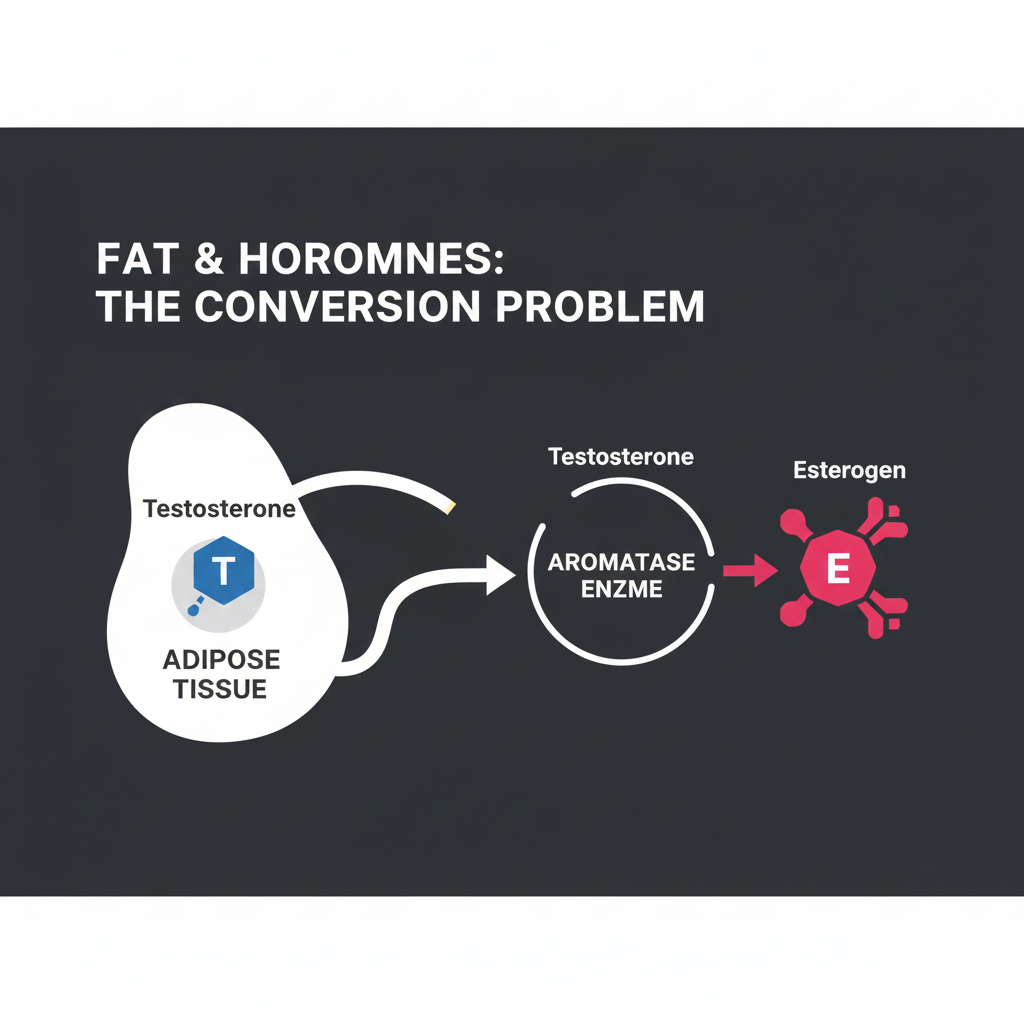
Obesity is identified as a profound risk factor for low T. Excess body fat, particularly visceral fat, contains the aromatase enzyme, which converts testosterone into estrogen.
The Fix: Achieve Weight Loss for Natural Testosterone Increase
The hormonal benefits of weight loss are predictable and linear. Reducing body weight through consistent physical activity results in a proportional increase in T concentration relative to the amount of weight lost. Since obesity often causes a physiological decline in Sex Hormone-Binding Globulin (SHBG) levels—which can result in low Total Testosterone despite normal Free Testosterone—improving body composition through diet and exercise addresses this fundamental metabolic issue.
3. You are Neglecting Strength Training and High-Intensity Exercise
If your exercise routine consists solely of light cardio, you are missing out on key hormonal signals. Consistent exercise three to four times a week is associated with a stable elevation in T.
The Fix: Incorporate Resistance Training and HIIT Workouts
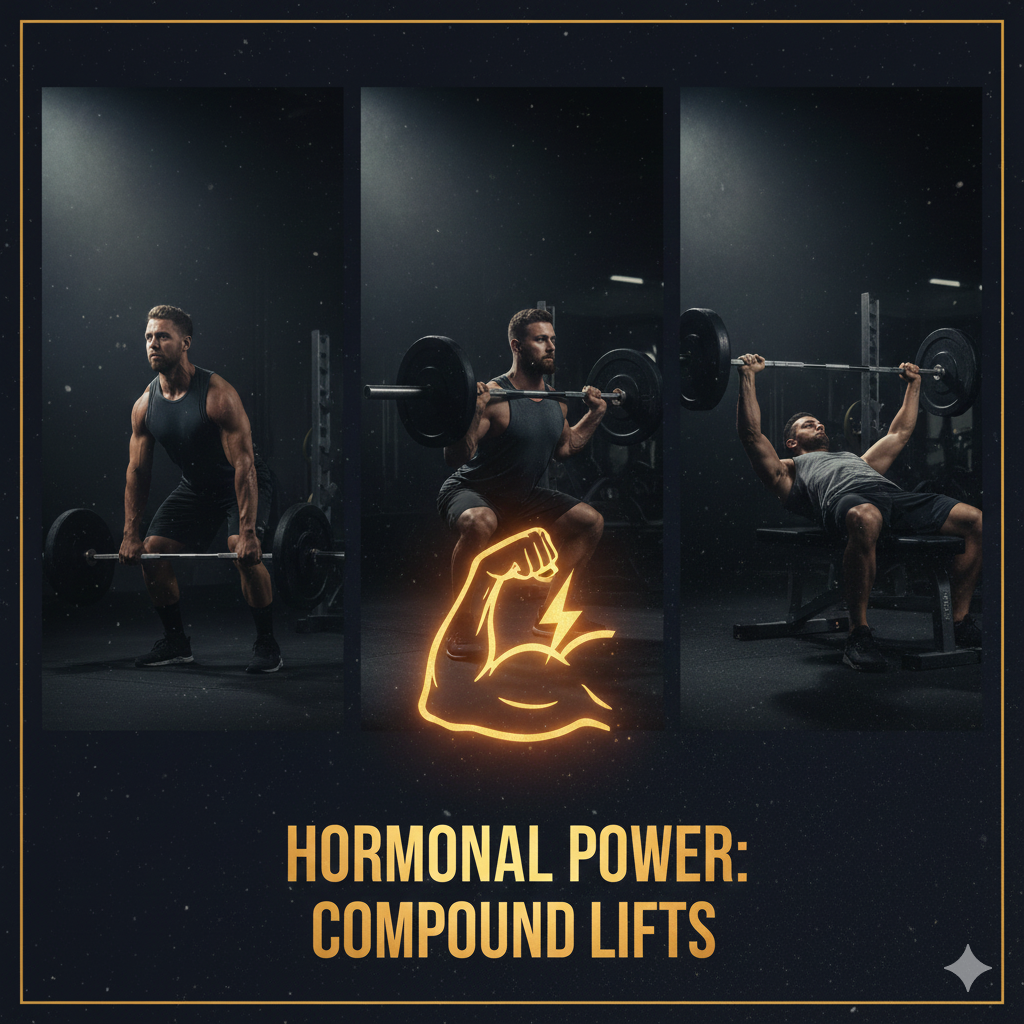
Resistance training (e.g., lifting weights) puts stress on muscles, signaling the body to produce more testosterone for growth and repair. Compound exercises, such as deadlifts and squats, tend to have the most significant effect on T levels, potentially causing a temporary post-exercise surge. High-Intensity Interval Training (HIIT) can also lead to an acute testosterone surge.
4. You are Overtraining Without Adequate Recovery
While exercise boosts T acutely, excessive activity without proper rest is counterproductive.
The Fix: Find the Exercise “Sweet Spot” and Prioritize Recovery
Overtraining, characterized by excessive exercise without adequate rest, can actually lead to a decrease in testosterone levels. You need to challenge your body enough to stimulate hormone production, but ensure you include adequate time for recovery. Note that prolonged endurance training, such as marathon running, often fails to elicit an increase in resting testosterone values.
5. You are Killing T Production By Being Micronutrient Deficient
Testosterone synthesis requires basic molecular building blocks and cofactors. A diet lacking essential micronutrients will impede production.
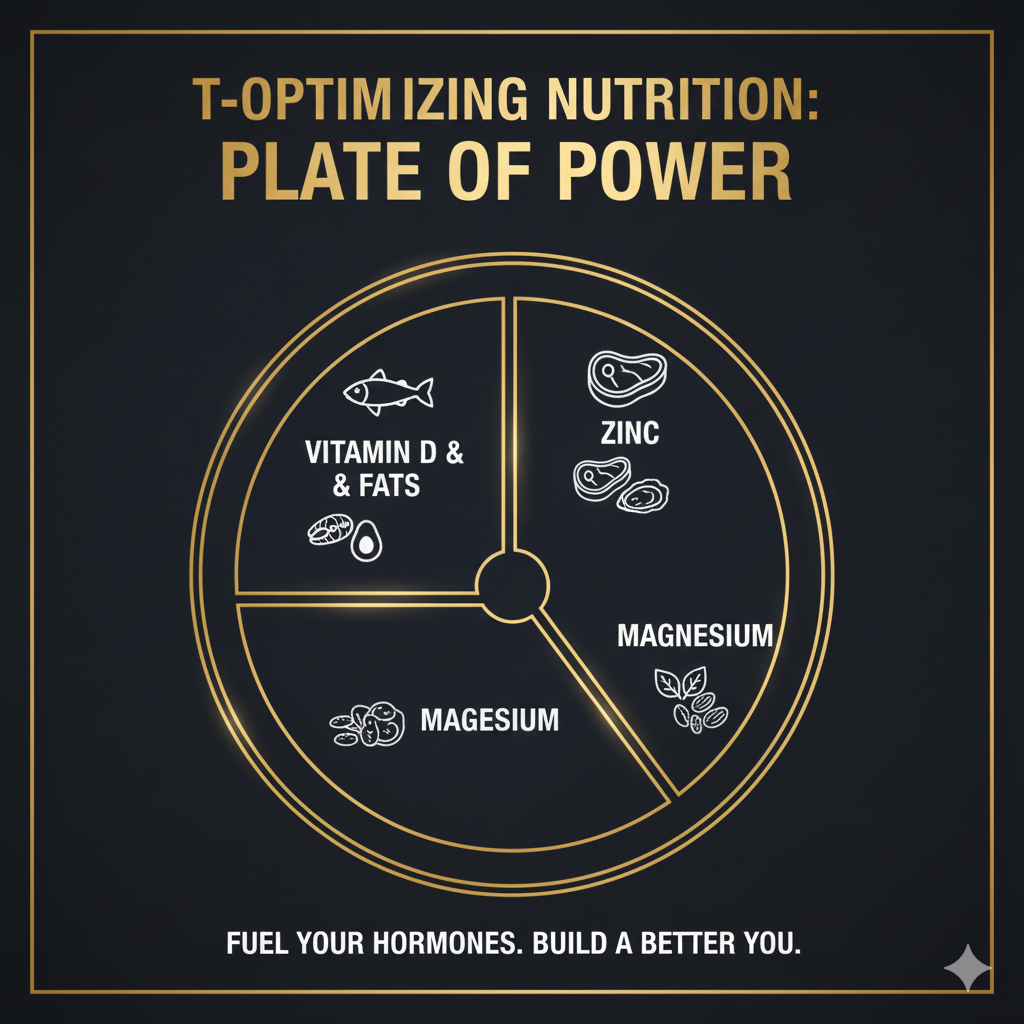
The Fix: Correct Deficiencies in Zinc, Vitamin D, and Magnesium
Deficiencies in Zinc, Magnesium, and Vitamin D are linked to low T because these nutrients are vital for hormonal synthesis.
- Vitamin D: Deficiency is common, but studies show supplementation (e.g., 3,300 IU daily over a year) increased T levels by 20% in men who were deficient.
- Zinc and Magnesium: Zinc is essential for promoting T production in the testes, and magnesium supplementation has been shown to increase free and total testosterone, particularly in physically active individuals.
The Hidden Threats and Clinical Decisions (TRT and Supplement Efficacy)
6. You are Allowing Chronic Stress to Run Wild
Chronic stress causes hormonal conflict within your body.
The Fix: Actively Manage Cortisol Levels
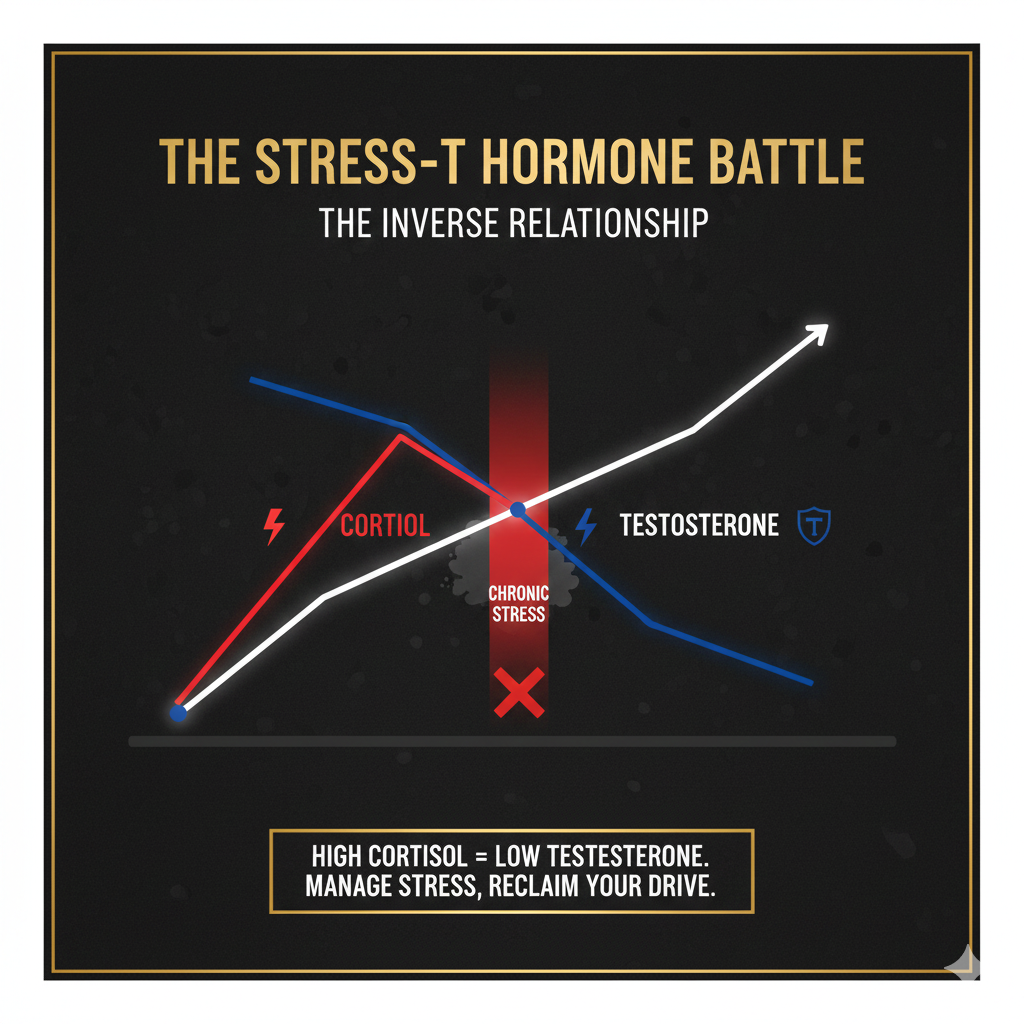
Stress elevates cortisol (the stress hormone), which works against testosterone, leading to a drop in T levels. Cortisol also increases alertness, which can worsen sleep quality, perpetuating a negative cycle. Finding positive ways to manage stress may naturally support T levels.
7. You are Ignoring Underlying Medical Conditions
Symptoms of low T—such as fatigue, depression, or difficulty concentrating—are non-specific and can overlap with or be caused by other serious conditions.
The Fix: Seek Diagnosis and Treatment for Health Issues (Hypogonadism Diagnosis)
A thorough medical evaluation is necessary, as low T can be caused by conditions like thyroid problems, type 2 diabetes, or Obstructive Sleep Apnea (OSA). OSA is a known risk factor for low testosterone, and treating the underlying condition may improve T levels. Accurate diagnosis of hypogonadism requires two morning serum testosterone measurements, preferably following an overnight fast.
8. You are Considering TRT While Planning to Start a Family
Exogenous testosterone, regardless of the delivery method (gels, injections), is strictly contraindicated if you are actively planning fertility.
The Fix: Use Fertility-Sparing Alternatives or Cryopreservation
Testosterone Replacement Therapy (TRT) suppresses the hypothalamic-pituitary-gonadal (HPG) axis, leading to a catastrophic reduction in intratesticular testosterone (ITT)—the necessary concentration for normal sperm production—often causing temporary infertility or azoospermia. About 10% of men on TRT may not recover spermatogenesis even after stopping treatment.
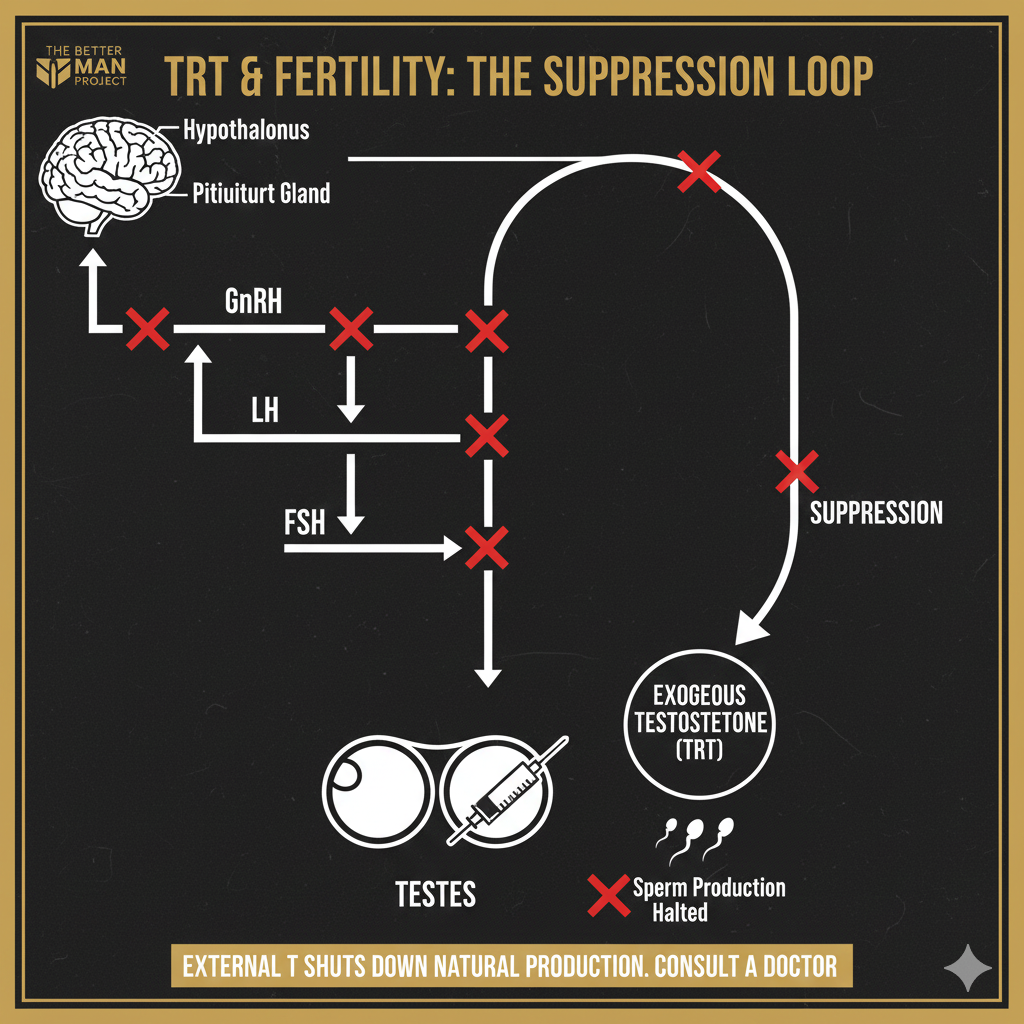
Men desiring to maintain fertility should use alternatives like Clomiphene Citrate (a selective estrogen receptor modulator that increases endogenous T without reducing sperm production) or Human Chorionic Gonadotropin (hCG) (an LH analog that stimulates the testes). Sperm cryopreservation (freezing) is considered the most reliable method for preserving fertility before starting TRT.
9. You are Relying on Unproven Over-the-Counter (OTC) Testosterone Boosters
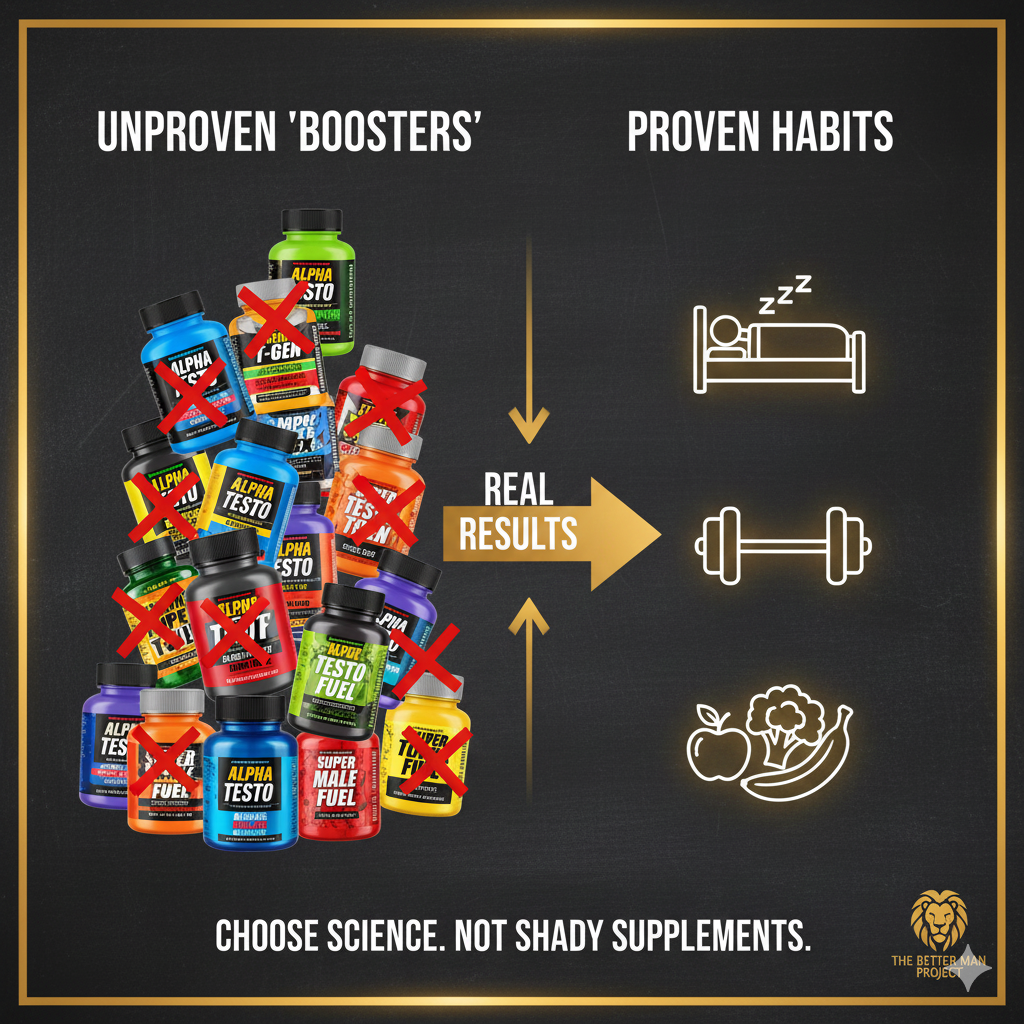
Most non-prescription “T booster” supplements are poorly studied, minimally regulated, and frequently fail to deliver on claims to raise T levels in healthy men.
The Fix: Demand Evidence-Based Ingredients and Consult a Healthcare Professional
A review of 50 popular “T booster” supplements found that although 90% claimed to boost T, only 24.8% of the components had data to support these claims. Conversely, 10.1% of ingredients contained data suggesting a negative effect on T.
- D-Aspartic Acid (DAA): Studies on trained male athletes show DAA (at various doses) has no significant effect on circulating T levels or body composition. Higher doses (6 grams) may even reduce T levels.
- Tribulus terrestris: This widely marketed supplement consistently shows no reliable data that it significantly increases serum T in healthy men. Its benefits are likely related to enhancing libido via non-hormonal mechanisms.
Furthermore, these products often contain supra-therapeutic doses of vitamins and minerals. For instance, supplements contained a median of 1,291% of the RDA for Vitamin B12 and 807.6% for Vitamin B6. Using these supplements carries the risk of adulteration with hidden prescription drugs and potential toxicity, including liver injury.
10. Heavy Alcohol Consumption or Substance Abuse
The misuse of alcohol and drugs can directly affect sex hormone levels.
The Fix: Limit Alcohol and Avoid Harmful Substances
Heavy drinking over a long period can cause the body to produce less testosterone. Limiting intake of alcohol and avoiding drugs supports healthier hormone balance.
Summary of T Optimization: Clinical Perspective
Testosterone Replacement Therapy (TRT) is reserved for a formal diagnosis of symptomatic hypogonadism. TRT formulations include transdermal gels (popular for stable levels but risk transfer) and intramuscular injections (cost-effective but cause peak-and-trough fluctuations).
Before starting TRT, risks must be assessed; absolute contraindications include active prostate cancer, untreated OSA, and a recent heart attack or stroke (within six months). If you pursue TRT, continuous monitoring of hematocrit (to avoid blood clots) and PSA (prostate monitoring) is mandatory.
For the majority of men seeking to boost testosterone naturally, the focus must remain on the high-leverage lifestyle interventions: weight management, quality sleep, and resistance exercise.
Become a better man with – thebettermanproject
Leave a Reply