Category: Blog

Your blog category

  • 10 Ways You Are Killing Your Testosterone and How to Boost T Naturally

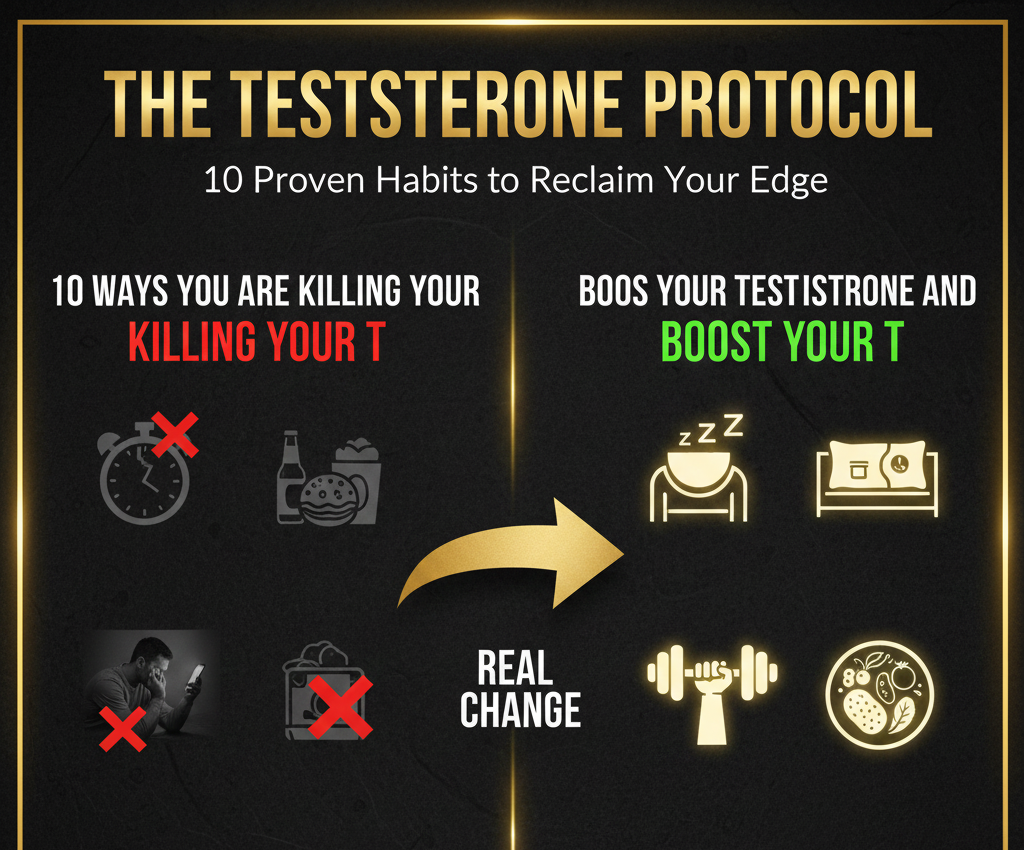
    10 Ways You Are Killing Your Testosterone and How to Boost T Naturally

    Alright, fellas, let’s get real. You walk into the pharmacy, or you scroll through Instagram, and you see endless promises: a pill, a powder, a special routine that’s supposed to turn you back into a teenager. But here’s the unvarnished truth: if your testosterone (T) levels are flagging, nine times out of ten, the culprit isn’t a secret deficiency; it’s your lifestyle choices.

    Testosterone, the primary male sex hormone, is crucial for everything from muscle mass and bone density to sex drive and mood. Levels naturally peak in early adulthood, but after you hit about 30, serum concentrations exhibit a gradual, age-related decline, reducing by approximately 1% to 2% per year.

    While Testosterone Replacement Therapy (TRT) is a well-established medical treatment for men with confirmed symptomatic hypogonadism (a true deficiency), most men who just feel a little “off” are simply burying their natural T production beneath bad habits.

    Before you drop hundreds of dollars on unregulated snake oil or demand a prescription, let’s review the ten ways you are sabotaging your hormones and the evidence-based strategies that actually work to achieve natural testosterone optimization.


    The Foundations: Lifestyle Sins (And the High-Leverage Fixes to Naturally Increase T)

    If you ignore this section, you might as well stop reading. These are the biggest, most predictable levers you can pull to increase testosterone naturally.

    1. You are Living in a State of Chronic Sleep Deprivation

    This is the fastest way to age your hormones. Testosterone production follows a pronounced circadian variation, peaking naturally during the sleep cycle, requiring at least three hours of normal sleep architecture.

    The Fix: Prioritize 7 to 10 Hours of Quality Sleep for Optimal T Levels

    A controlled study of healthy young men demonstrated that restricting sleep to less than five hours per night for just one week caused their T levels to plummet by 10% to 15%. This physiological reduction is comparable to the hormonal aging expected over 10 to 15 years. Low testosterone is associated with reduced well-being and vigor, symptoms that overlap with those of sleep loss.
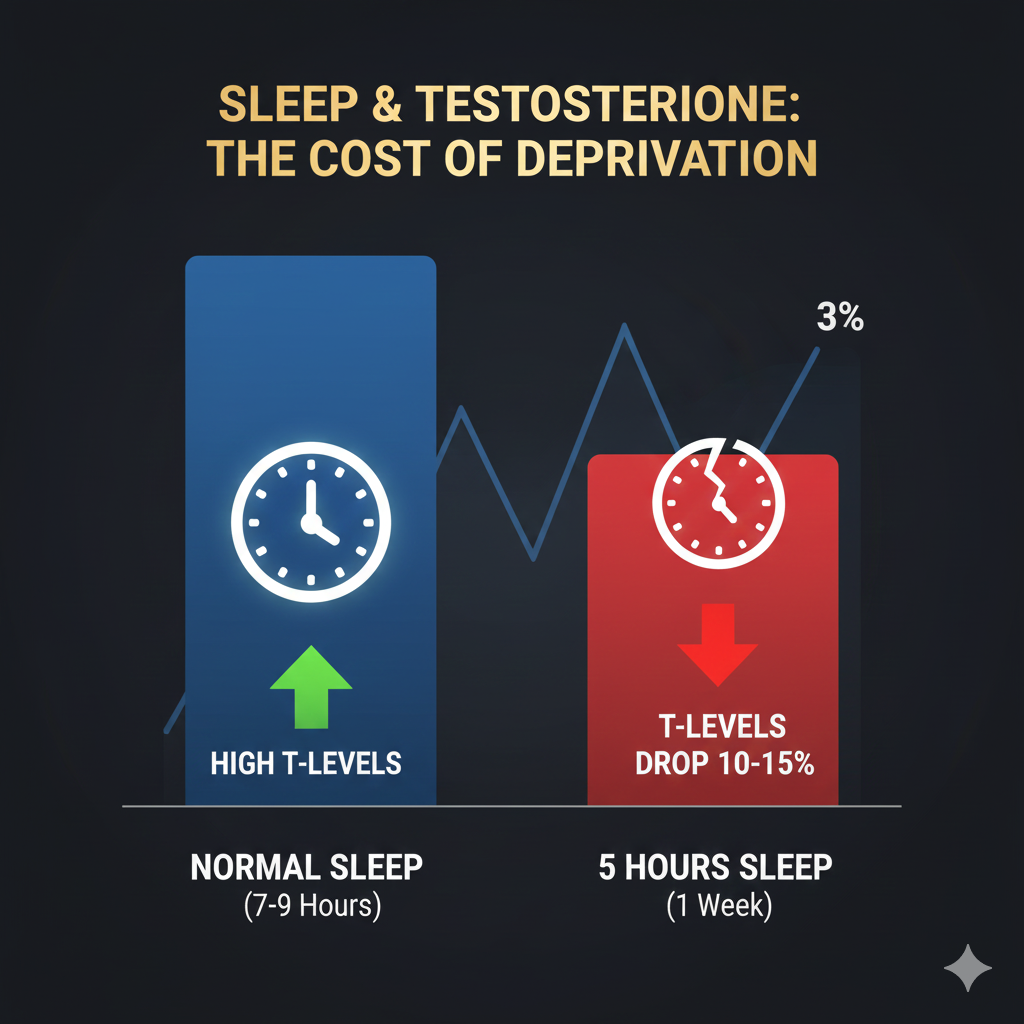
    A side-by-side bar chart showing two bars: one labeled "Normal Sleep" with high T levels, and one labeled "5 Hours Sleep" with T levels dropped by 10-15%. Use a clock graphic for visual clarity.

    To maximize that natural nocturnal boost, establishing proper sleep hygiene is key: Maintain a consistent sleep schedule, optimize your bedroom to be dark, quiet, and cool (ideally between 60 and 67 degrees Fahrenheit), and avoid screen time for at least an hour before bed.

    2. You are Carrying Excess Body Fat (Obesity and Low T Risk)

    Obesity is identified as a profound risk factor for low T. Excess body fat, particularly visceral fat, contains the aromatase enzyme, which converts testosterone into estrogen.

    The Fix: Achieve Weight Loss for Natural Testosterone Increase

    The hormonal benefits of weight loss are predictable and linear. Reducing body weight through consistent physical activity results in a proportional increase in T concentration relative to the amount of weight lost. Since obesity often causes a physiological decline in Sex Hormone-Binding Globulin (SHBG) levels—which can result in low Total Testosterone despite normal Free Testosterone—improving body composition through diet and exercise addresses this fundamental metabolic issue.
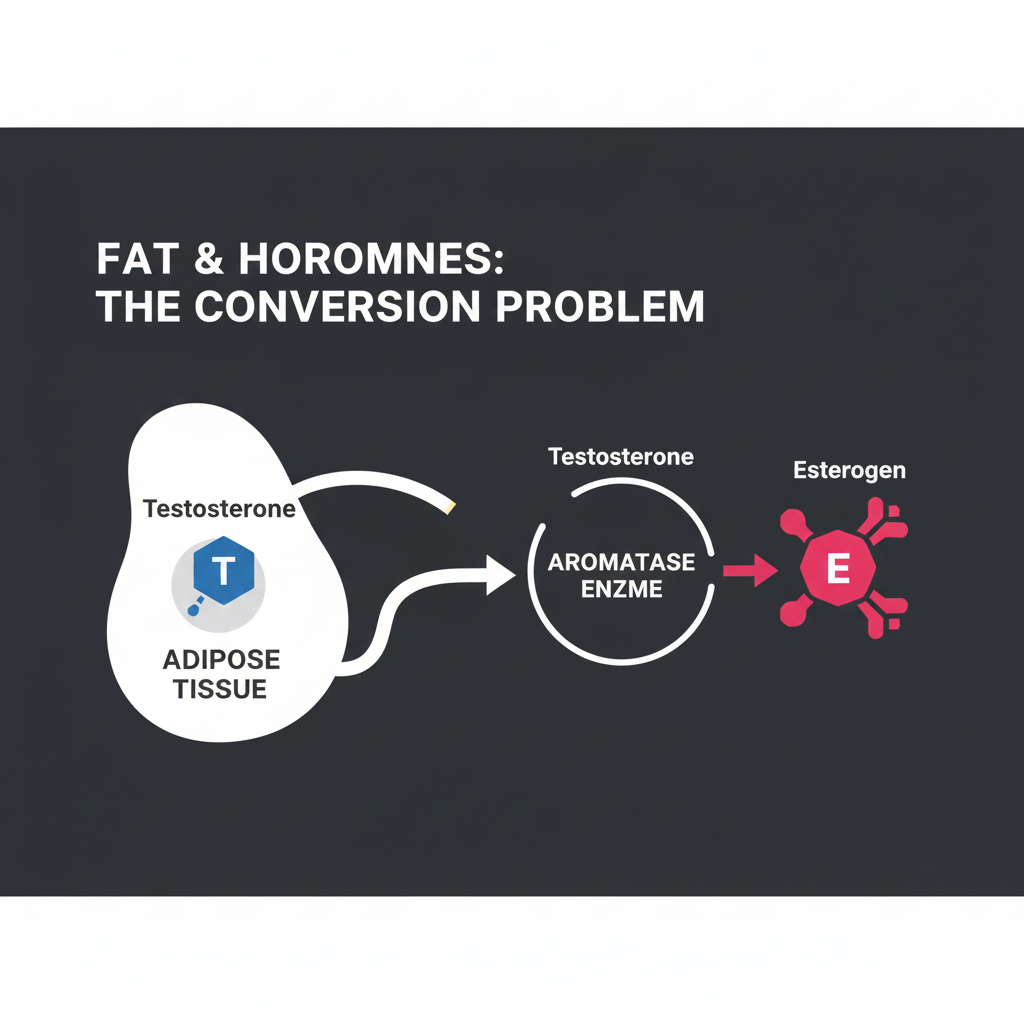
     A simple graphic illustrating fat tissue (adipose cell) with an arrow pointing toward a testosterone molecule being converted into an estrogen molecule via the aromatase enzyme

    3. You are Neglecting Strength Training and High-Intensity Exercise

    If your exercise routine consists solely of light cardio, you are missing out on key hormonal signals. Consistent exercise three to four times a week is associated with a stable elevation in T.

    The Fix: Incorporate Resistance Training and HIIT Workouts

    Resistance training (e.g., lifting weights) puts stress on muscles, signaling the body to produce more testosterone for growth and repair. Compound exercises, such as deadlifts and squats, tend to have the most significant effect on T levels, potentially causing a temporary post-exercise surge. High-Intensity Interval Training (HIIT) can also lead to an acute testosterone surge.
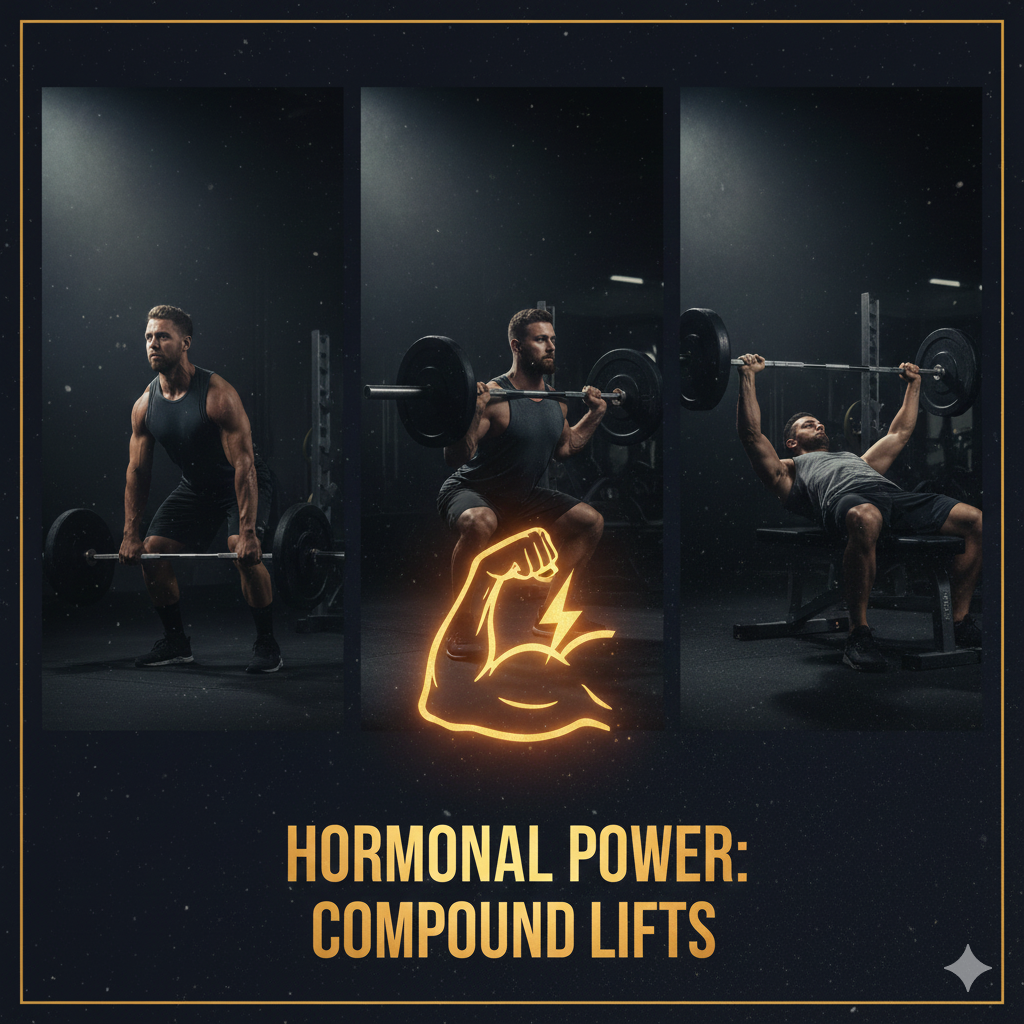
    A collage or triptych showing men performing the three key compound lifts: a deadlift, a squat, and a bench press, overlaid with an icon representing muscle and strength

    4. You are Overtraining Without Adequate Recovery

    While exercise boosts T acutely, excessive activity without proper rest is counterproductive.

    The Fix: Find the Exercise “Sweet Spot” and Prioritize Recovery

    Overtraining, characterized by excessive exercise without adequate rest, can actually lead to a decrease in testosterone levels. You need to challenge your body enough to stimulate hormone production, but ensure you include adequate time for recovery. Note that prolonged endurance training, such as marathon running, often fails to elicit an increase in resting testosterone values.

    5. You are Killing T Production By Being Micronutrient Deficient

    Testosterone synthesis requires basic molecular building blocks and cofactors. A diet lacking essential micronutrients will impede production.

    The Fix: Correct Deficiencies in Zinc, Vitamin D, and Magnesium

    Deficiencies in Zinc, Magnesium, and Vitamin D are linked to low T because these nutrients are vital for hormonal synthesis.

    • Vitamin D: Deficiency is common, but studies show supplementation (e.g., 3,300 IU daily over a year) increased T levels by 20% in men who were deficient.
    • Zinc and Magnesium: Zinc is essential for promoting T production in the testes, and magnesium supplementation has been shown to increase free and total testosterone, particularly in physically active individuals.
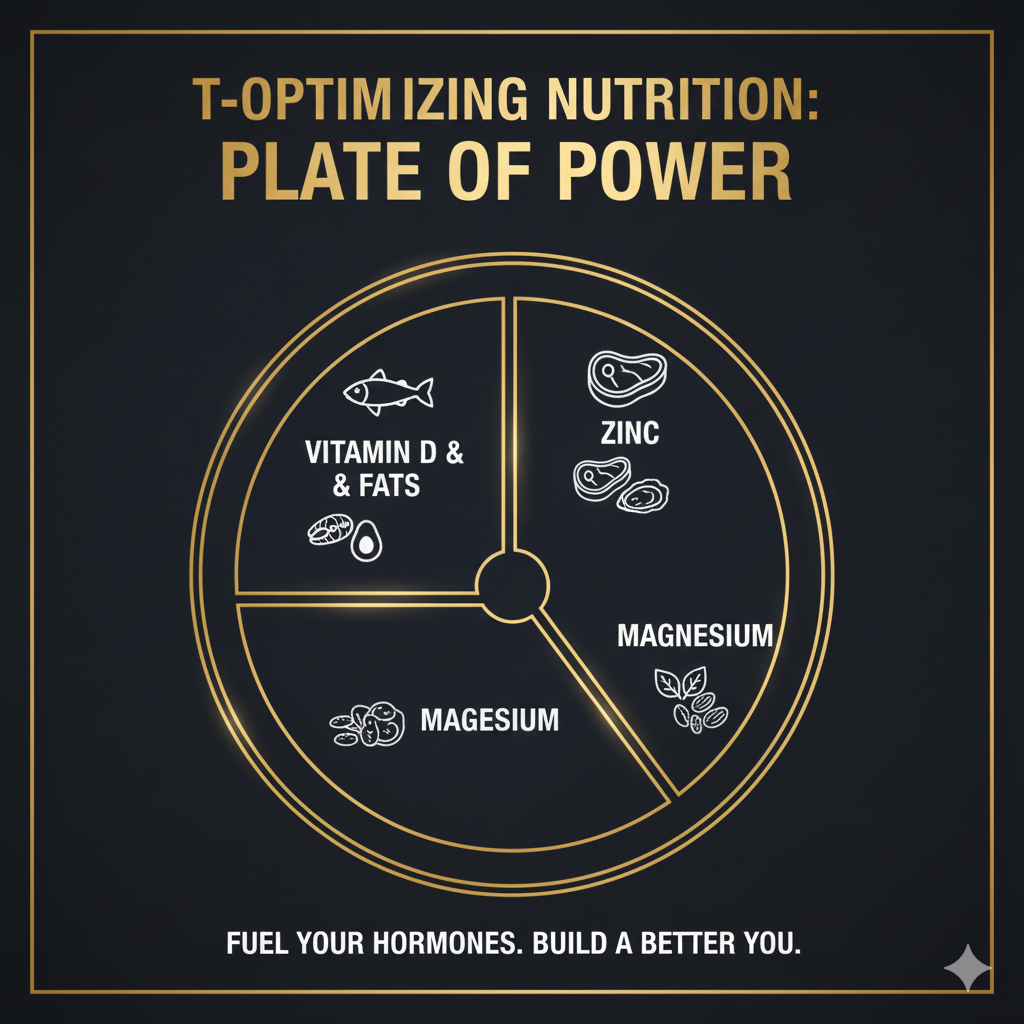
    An infographic of a plate divided into three sections, featuring small icons for Salmon (Vitamin D/Fats), Red Meat/Oysters (Zinc), and Dark Leafy Greens/Nuts (Magnesium)

    The Hidden Threats and Clinical Decisions (TRT and Supplement Efficacy)

    6. You are Allowing Chronic Stress to Run Wild

    Chronic stress causes hormonal conflict within your body.

    The Fix: Actively Manage Cortisol Levels

    Stress elevates cortisol (the stress hormone), which works against testosterone, leading to a drop in T levels. Cortisol also increases alertness, which can worsen sleep quality, perpetuating a negative cycle. Finding positive ways to manage stress may naturally support T levels.
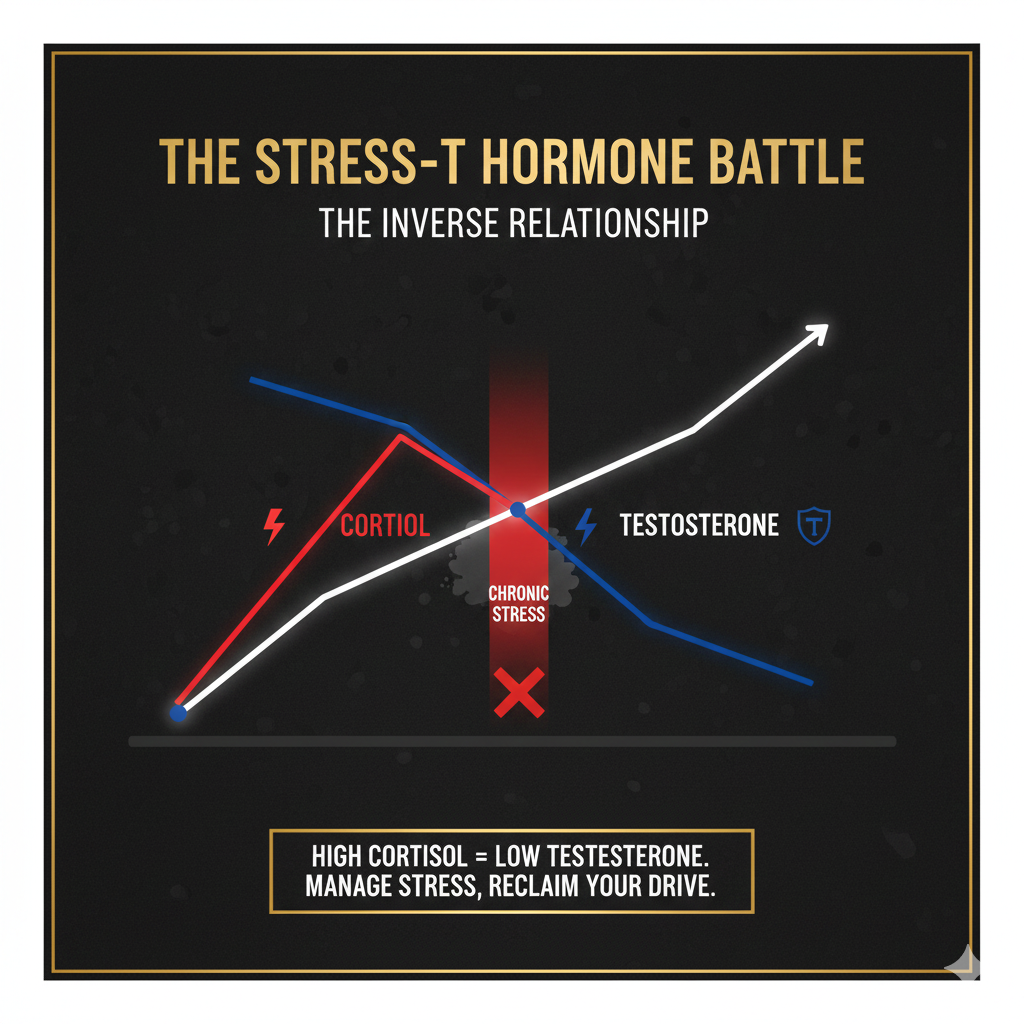
    A simple illustration of two crossing lines, one ascending (labeled CORTISOL) and one descending (labeled TESTOSTERONE), symbolizing their inverse relationship under chronic stress

    7. You are Ignoring Underlying Medical Conditions

    Symptoms of low T—such as fatigue, depression, or difficulty concentrating—are non-specific and can overlap with or be caused by other serious conditions.

    The Fix: Seek Diagnosis and Treatment for Health Issues (Hypogonadism Diagnosis)

    A thorough medical evaluation is necessary, as low T can be caused by conditions like thyroid problems, type 2 diabetes, or Obstructive Sleep Apnea (OSA). OSA is a known risk factor for low testosterone, and treating the underlying condition may improve T levels. Accurate diagnosis of hypogonadism requires two morning serum testosterone measurements, preferably following an overnight fast.

    8. You are Considering TRT While Planning to Start a Family

    Exogenous testosterone, regardless of the delivery method (gels, injections), is strictly contraindicated if you are actively planning fertility.

    The Fix: Use Fertility-Sparing Alternatives or Cryopreservation

    Testosterone Replacement Therapy (TRT) suppresses the hypothalamic-pituitary-gonadal (HPG) axis, leading to a catastrophic reduction in intratesticular testosterone (ITT)—the necessary concentration for normal sperm production—often causing temporary infertility or azoospermia. About 10% of men on TRT may not recover spermatogenesis even after stopping treatment.
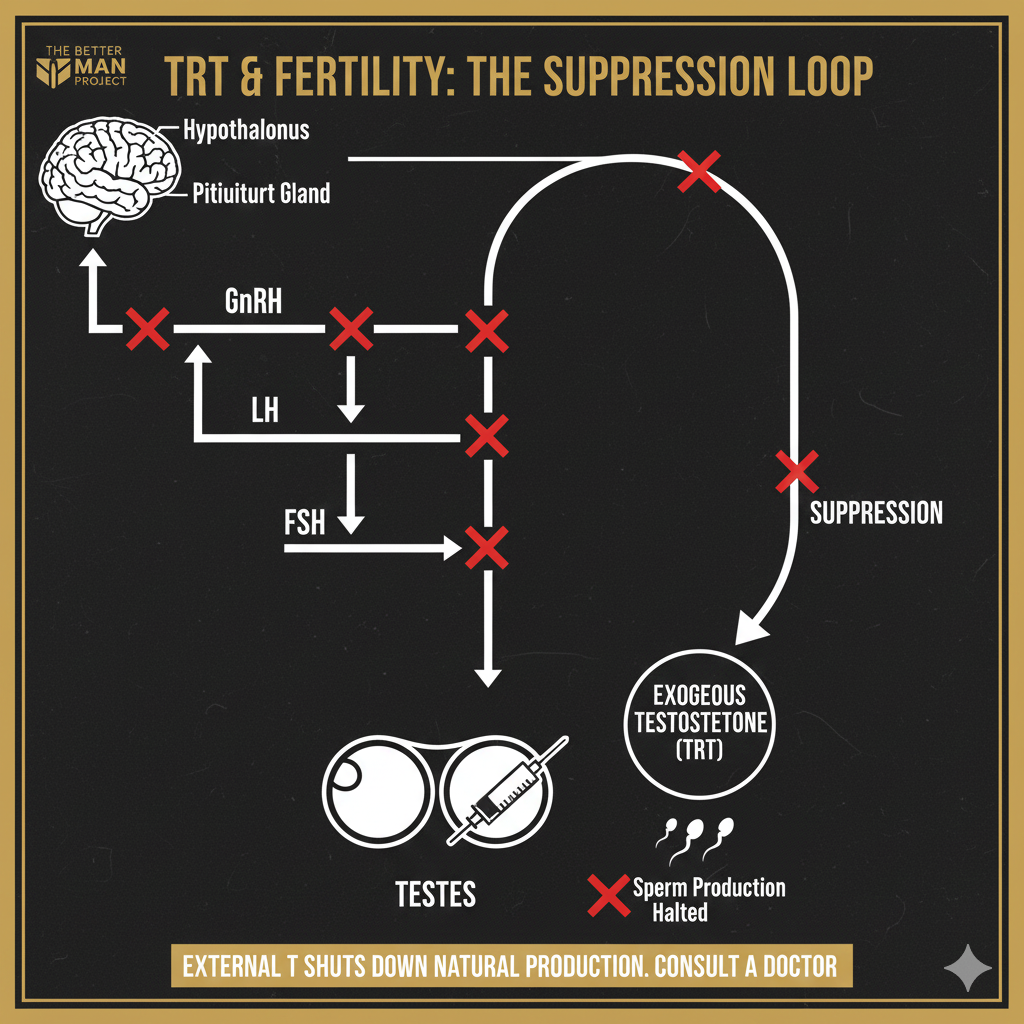
    A professional medical diagram illustrating the negative feedback loop where exogenous Testosterone suppresses the signals (GnRH, FSH, LH) sent from the brain (Hypothalamus/Pituitary) to the testes

    Men desiring to maintain fertility should use alternatives like Clomiphene Citrate (a selective estrogen receptor modulator that increases endogenous T without reducing sperm production) or Human Chorionic Gonadotropin (hCG) (an LH analog that stimulates the testes). Sperm cryopreservation (freezing) is considered the most reliable method for preserving fertility before starting TRT.

    9. You are Relying on Unproven Over-the-Counter (OTC) Testosterone Boosters

    Most non-prescription “T booster” supplements are poorly studied, minimally regulated, and frequently fail to deliver on claims to raise T levels in healthy men.

    The Fix: Demand Evidence-Based Ingredients and Consult a Healthcare Professional

    A review of 50 popular “T booster” supplements found that although 90% claimed to boost T, only 24.8% of the components had data to support these claims. Conversely, 10.1% of ingredients contained data suggesting a negative effect on T.

    • D-Aspartic Acid (DAA): Studies on trained male athletes show DAA (at various doses) has no significant effect on circulating T levels or body composition. Higher doses (6 grams) may even reduce T levels.
    • Tribulus terrestris: This widely marketed supplement consistently shows no reliable data that it significantly increases serum T in healthy men. Its benefits are likely related to enhancing libido via non-hormonal mechanisms.

    Furthermore, these products often contain supra-therapeutic doses of vitamins and minerals. For instance, supplements contained a median of 1,291% of the RDA for Vitamin B12 and 807.6% for Vitamin B6. Using these supplements carries the risk of adulteration with hidden prescription drugs and potential toxicity, including liver injury.
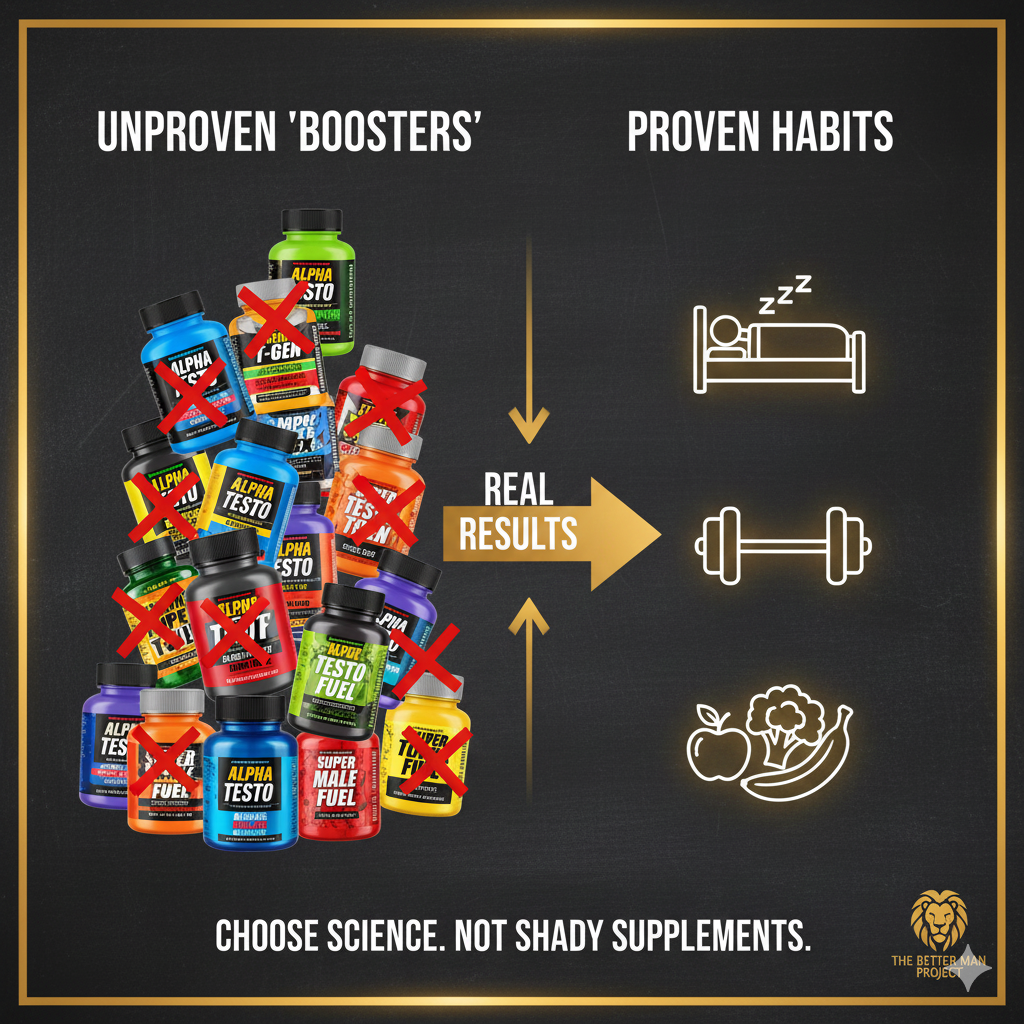
    A side-by-side comparison illustrating a stack of colorful OTC supplement bottles contrasted with simple graphic icons representing healthy habits like a sleeping man, a barbell, and fruits

    10. Heavy Alcohol Consumption or Substance Abuse

    The misuse of alcohol and drugs can directly affect sex hormone levels.

    The Fix: Limit Alcohol and Avoid Harmful Substances

    Heavy drinking over a long period can cause the body to produce less testosterone. Limiting intake of alcohol and avoiding drugs supports healthier hormone balance.


    Summary of T Optimization: Clinical Perspective

    Testosterone Replacement Therapy (TRT) is reserved for a formal diagnosis of symptomatic hypogonadism. TRT formulations include transdermal gels (popular for stable levels but risk transfer) and intramuscular injections (cost-effective but cause peak-and-trough fluctuations).

    Before starting TRT, risks must be assessed; absolute contraindications include active prostate cancer, untreated OSA, and a recent heart attack or stroke (within six months). If you pursue TRT, continuous monitoring of hematocrit (to avoid blood clots) and PSA (prostate monitoring) is mandatory.

    For the majority of men seeking to boost testosterone naturally, the focus must remain on the high-leverage lifestyle interventions: weight management, quality sleep, and resistance exercise.

    Become a better man with – thebettermanproject
  • The 1% Rule: How to Compound Self Discipline for Unstoppable Success

    The 1% Rule: How to Compound Self Discipline for Unstoppable Success

    If you’re a man focused on becoming The Better Man, you’ve likely been conditioned to believe that transformation requires massive, earth-shattering action. You think you need intense motivation and iron willpower to achieve lasting results.

    But the truth, proven by maths and elite performance science, is the opposite: success is not built on heroic leaps; it is constructed through the quiet, consistent accumulation of self discipline habits that compound over time.

    The secret to unstoppable success isn’t achieving a big goal; it’s mastering the process of continuous improvement.

    ——————————————————————————–

    The Core Idea: The Mathematics of Compounding Self Discipline

    The average guy often overestimates what he can achieve in a single day and tragically underestimates what he can achieve over a year. When you commit to getting just slightly better every day, you unlock the powerful, predictable geometry of exponential growth. This is the 1% Rule, rooted in the principle of compound interest applied to your abilities.

    Here is the simple, game-changing calculation:

    If you manage to get one per cent better each day for one year, you will end up THIRTY-SEVEN times better by the time the year is done.

    If you manage to get one per cent better each day for one year, you will end up THIRTY-SEVEN times better by the time the year is done.

    The compounding formula (1.01365≈37.78) demonstrates that minor improvements, though insignificant on their own, collectively change your entire trajectory.

    Conversely, if you allow yourself to get 1% worse each day, you’ll decline nearly down to zero. This proves that small choices don’t make much of a difference today, but they add up to massive changes over the long term, whether positive or toxic.

    You do not need to start by taking big actions to make big changes. You just need to commit to making small actions consistently.

    ——————————————————————————–

    The Origin Anecdote: The Unstoppable Power of Marginal Gains

    The best proof that the 1% Rule works comes from the world of elite athletics: British Cycling.

    Before 2003, professional cycling in Great Britain was defined by nearly a century of mediocrity, having won only a single Olympic gold medal since 1908 and zero Tour de France titles in 110 years. Their performance was so poor that a top European bike manufacturer even refused to sell them equipment, fearing it would damage their brand reputation.

    The organisation hired Sir Dave Brailsford, who introduced the philosophy of “the aggregation of marginal gains”. Brailsford’s belief was simple: break down every single component that goes into riding a bike, and then improve each component by just 1 per cent. The cumulative effect would be remarkable.

    The team implemented the obvious improvements first, like redesigned bike seats and using biofeedback sensors. But their genius lay in searching for marginal gains in overlooked areas, treating foundational inputs like energy and health as performance multipliers.

    Here are the most memorable 1% improvements they leveraged:

    Sleep Optimisation: They researched the precise pillow and mattress that led to the best quality sleep for each individual rider and then travelled with them to every hotel during races.

    Health Protocol: They hired a surgeon to teach the riders the best technique to wash their hands to minimise the chances of catching a cold, thus reducing lost training days.

    Environment Auditing: They even painted the inside of the team truck white to make dust particles easier to spot and remove, ensuring the finely tuned bikes maintained peak performance.

    The results were astonishing: within five years of implementing these tiny, disciplined changes, British Cycling dominated the 2008 Beijing Olympics, winning 60 percent of the available gold medals. In 2012, they repeated the feat in London, setting nine Olympic records and seven world records. That same year, a British cyclist won the Tour de France for the first time ever. This historic success confirms that focusing on evolutionary, not revolutionary, change is the superior strategy for sustainable performance.

    ——————————————————————————–

    The Discipline Shift: Why Systems Beat Motivation (The Actionable Step)

    If you rely on motivation to achieve your goals, you are relying on an engine that inevitably runs out of fuel. Neuroscience shows that relying solely on willpower is unsustainable because willpower, like a muscle, becomes fatigued. True discipline is not an iron will that forces behaviour; it is the intelligent design of systems that minimises the need for willpower.

    The path to unstoppable discipline requires a strategic shift: move your focus from the outcome (the goal) to the process (the system of daily habits).

    Every small action you execute under the 1% Rule is a “vote” for the type of man you wish to become. You are not someone trying to get fit; you are embodying the identity of an athlete each time you start a workout.

    Actionable Step: Implement Habit Stacking Today

    One of the most powerful techniques for easily introducing a 1% improvement into your routine is habit stacking. This technique reduces the mental energy required to initiate new behaviour by leveraging existing neural pathways.

    Habit stacking works by attaching a new, desired behaviour (the 1% gain) to an established habit you already perform daily.

    The Habit Stacking Formula:

    You must be specific and intentional when you define your new habit:

    ——————————————————————————–

    After/before [Current Habit], I will [New Habit].

    ——————————————————————————–

    Key Implementation Principles:

    1. Start Ridiculously Small: When establishing a new habit, make it so small it seems trivial, reducing resistance and making failure almost impossible. For instance, if you want to read more, start with reading just one page.

    2. Make it Obvious: Habit stacking makes the trigger for your new behavior obvious, which is critical for consistent execution.

    Examples for The Better Man Project:

    For Discipline/Productivity: Instead of attempting to overhaul your workspace, try: After I send my last email of the day, I will spend 10 minutes organising my emails/workspace.

    For Physical Health: Before I drink my morning coffee, I will drink a glass of water. Or, if your goal is movement: after I get home from work, I will immediately do two minutes of stretching.

    For Skill Acquisition: After I sit down for lunch, I will read one page of a complex book.

    Commit to establishing consistency in these small votes. The magic isn’t in the momentary burst of effort; it’s in the mundane repetition of beneficial behaviours that compound over time, making you nearly 38 times better than the man you were a year ago.

    ——————————————————————————–

    The compounding effect of discipline is like a massive flywheel: it takes tremendous initial effort to get it moving, but once consistent, every small push adds exponential, unstoppable momentum.

    Read our latest article about how to control your anger. Read More

    I’ve personally suggest visiting and read at James Clear about how to get better habits at https://jamesclear.com

  • Stop Reacting: 3 Steps to Master Your Anger Like a Man, Not a Boy

    Stop Reacting: 3 Steps to Master Your Anger Like a Man, Not a Boy

    We’ve all been there. You’re in a conversation, somebody says bad words, and suddenly, the switch flips. The heat rises in your chest, your logic shuts down, and before you know it, you’ve said or done something you can’t take back.

    For many men, this is a daily battle. But here is the harsh truth: there is a big difference between feeling anger and being controlled by it. Boy is going to react blindly to every poke and prod. Man will feel the fire but chooses how to channel it.

    This isn’t about stuffing your emotions down until you explode. This is about anger management in its truest form, which is moving from being a slave to your impulses to becoming the master of your own mind.

    anger management

    The High Cost of Emotional Impulses

    The Pressure to Be “Strong” vs. The Reality of Rage


    Society has handed men a confusing script. We are told to be “strong” and “stoic”, which many interpret as “don’t feel anything”. But here’s the reality: when feelings like fear, sadness, or insecurity can be managed to become quiet or suppressed, they don’t vanish. They ferment. Eventually, they get redirected into explosive anger issues.

    Suppressing emotions doesn’t make them disappear; it acts like a pressure cooker, leading to increased stress, anxiety, and severe strain on the relationships that matter most to you.

    (You can listen the topic as a video on our youtube channel – Thebettermanproject

    Why Reactivity is an Automatic Threat Response

    Why does this happen so fast? Emotional reactivity is the tendency to respond to stimuli with heightened, automatic emotional responses. It’s biology. When you feel attacked, your brain’s threat detection centre (amygdala) kicks in long before your rational brain can evaluate the situation. This is known as an “amygdala hijack”.

    The impulse to defend, attack, or withdraw is immediate. But in the modern world, where the “threat” is usually an email or a criticism from a partner, these inappropriate, extreme, or unchecked emotional reactions can impede your functional fit within society.

    Defining True Mastery: Response vs. Reaction

    To fix this, we have to define the goal. A reaction is impulsive, done without processing or thinking it through fully. It is defensive and often childish.

    Mastery, on the other hand, means learning to filter emotional reactions so they become deliberate responses. The goal is to shift from reactive emotional impulsiveness to acting from principle, not provocation. That is the definition of true character strength.


    Step 1: Master the Internal Map (Awareness)

    Before you can control the outcome, you must first understand the battlefield i.e your inner emotional state.

    Identify Your Core Triggers and “Buttons”

    Awareness is the absolute key to stopping reactivity. Effective anger management begins by noticing exactly what triggers your anger. Is it being criticised? Is it feeling blamed? Or perhaps it’s the sensation of being unfairly treated?

    Triggers are external actions or internal thoughts that spark an emotional reaction. You need to know what yours are. If you don’t know where the landmines are buried, you’re going to step on them.

    Map Your Physical and Emotional Symptoms

    Your body usually knows you’re angry before your brain admits it. You need to recognise the physiological signs of anger early. Does your heartbeat race? Does your stomach knot up? Do you find yourself quaking or shaking, or feeling a sudden spike in hypertension?

    When you feel furious, dig a little deeper. You might actually be feeling misunderstood because you were doing your best, but nobody realised it. Remember, anger is often just a protective measure against a perceived threat.

    Uncover the Hidden Feeling (It’s Not Just Anger)

    Anger is a secondary emotion. It’s the bodyguard for more vulnerable feelings. Often, feelings like fear or sadness get redirected into anger or withdrawal because anger feels more “powerful”.

    Ask yourself, “What is my anger saying about me?” It might be covering up feelings of guilt, frustration, disappointment, or feeling judged. You must look underneath the reaction to find what you are actually afraid of or what deeply held values are being threatened.


    Step 2: Implement the Critical Pause (How to Control Anger Immediately)

    Once you recognise the fuse is lit, the immediate priority is creating a space between the stimulus and your response. This is how to control anger immediately.

    Use the Breath to Buy Time

    Viktor Frankl famously said that in the space between stimulus and response lies the opportunity to choose. When you feel yourself starting to react emotionally, simply take a second, think, and breathe. You don’t have to respond immediately.

    This sounds simple, but it is biologically necessary. Take a couple of slow, deep breaths to slow down your response. Deep breathing can down-regulate your stress response and give your prefrontal cortex (the logical part of your brain) time to re-engage.

    Practise Immediate Physical and Cognitive Interruption

    You need to break the circuit. When you feel yourself entering an emotionally reactive state, look for the moment you react emotionally and interfere before you speak.

    An effective tactic is to exhale fully. It is physically impossible to speak back immediately while you are emptying your lungs. This gives the frontal cortex time to trigger post-amygdala. Cultivating mindfulness helps you increase awareness and nip these reactions in the bud before they cause damage.

    Withdraw Strategically, Return Decisively

    There is no shame in a strategic retreat. If you feel yourself getting angry, ask for space to process. But here is the crucial part: politely pause and let the other person know you need a minute because they are important to you.

    If you need to leave a conversation to pull yourself together, state clearly that you will return because resolving the issue is important. Set boundaries that protect your peace; this may involve stepping away from the situation to avoid an impulsive action.


    Step 3: Respond Based on Character, Not Impulse

    The physical pause stops the old pattern; this final step replaces the reaction with sophisticated thought, turning temporary calm into lasting anger management.

    Reframe the Threat: Change Your Interpretation

    Emotional reactions are caused not by events themselves, but by how we interpret them—or how we “process” the trigger. If you think someone is disrespecting you, you will feel rage. If you think they are just having a bad day, you might feel pity.

    This is called cognitive reappraisal. It involves changing the way you interpret a situation to alter its emotional meaning. Replace “hot thoughts” (e.g., “What a jerk! He’s trying to humiliate me!”) with “cool thoughts” (e.g., “Chill, it’s no big deal,” or “He’s obviously stressed”).

    Choose Your Value Over Your Impulse

    This is the mark of a man. Self-control is defined as the ability to subordinate an impulse to a value.

    When tempted to react defensively, ask yourself: “Who do I want to be in this moment?” or “What would a wise, composed leader do here?” Instead of letting anger control you, choose to act in ways that reflect your deeply held values, such as understanding, respect, or patience.

    Own Your State: Establishing an Internal Locus of Control

    Focus on what you have control over: your own actions and internal state. You must shift your language from external blame (“He made me angry”) to internal ownership (“I felt anger when he spoke like that”).

    Taking ownership of your internal state means others have less power over you. It aligns with the ancient Stoic idea that “You have power over your mind, not outside events.” When you realize this, you become untouchable.


    Conclusion: Reclaiming True Strength Through Maturity

    You have identified the core issues, mastered the immediate pause, and rebuilt your response around your values. This final shift defines mature masculinity.

    The Strength of Vulnerability in Anger Management

    Anger management is not about suppressing emotion, but learning to recognize anger early, regulate the nervous system, and respond in line with your values.

    True strength lies in emotional honesty and openness. Embracing vulnerability helps break free from harmful gender stereotypes that keep men isolated. When a partner or loved one raises an issue, they are often expressing care for the relationship. Responding with acknowledgment and accountability is a true show of strength, not weakness.

    The Long Game: Practice Makes Resilience

    Cultivating emotional regulation is a complex and highly significant function in human life. It isn’t a switch you flip once; it’s a muscle you build.

    Mastering this skill takes practice, sometimes aided by professional support like counseling or therapy, which provides a safe space to process underlying emotions. Regular self-examination, like reflecting nightly on where you kept your cool and where you lost your temper, helps build the capacity to observe and guide your own thought processes.

    Final Charge: Stop Being a Marionette

    Choose your response, not your reaction. If you react to everything, you are nothing more than a puppet—a marionette pulled by the strings of other people’s actions.

    True freedom is having power over yourself. Ask yourself: What kind of person am I becoming, one deliberate response at a time?


    Ready to Take Control?

    Are your impulsive reactions dictating your life and damaging your relationships? Don’t let old patterns define your future. Take the definitive step toward mastering your emotions. Start your personalized anger management journey today by consulting a professional who specializes in helping men navigate these challenges.