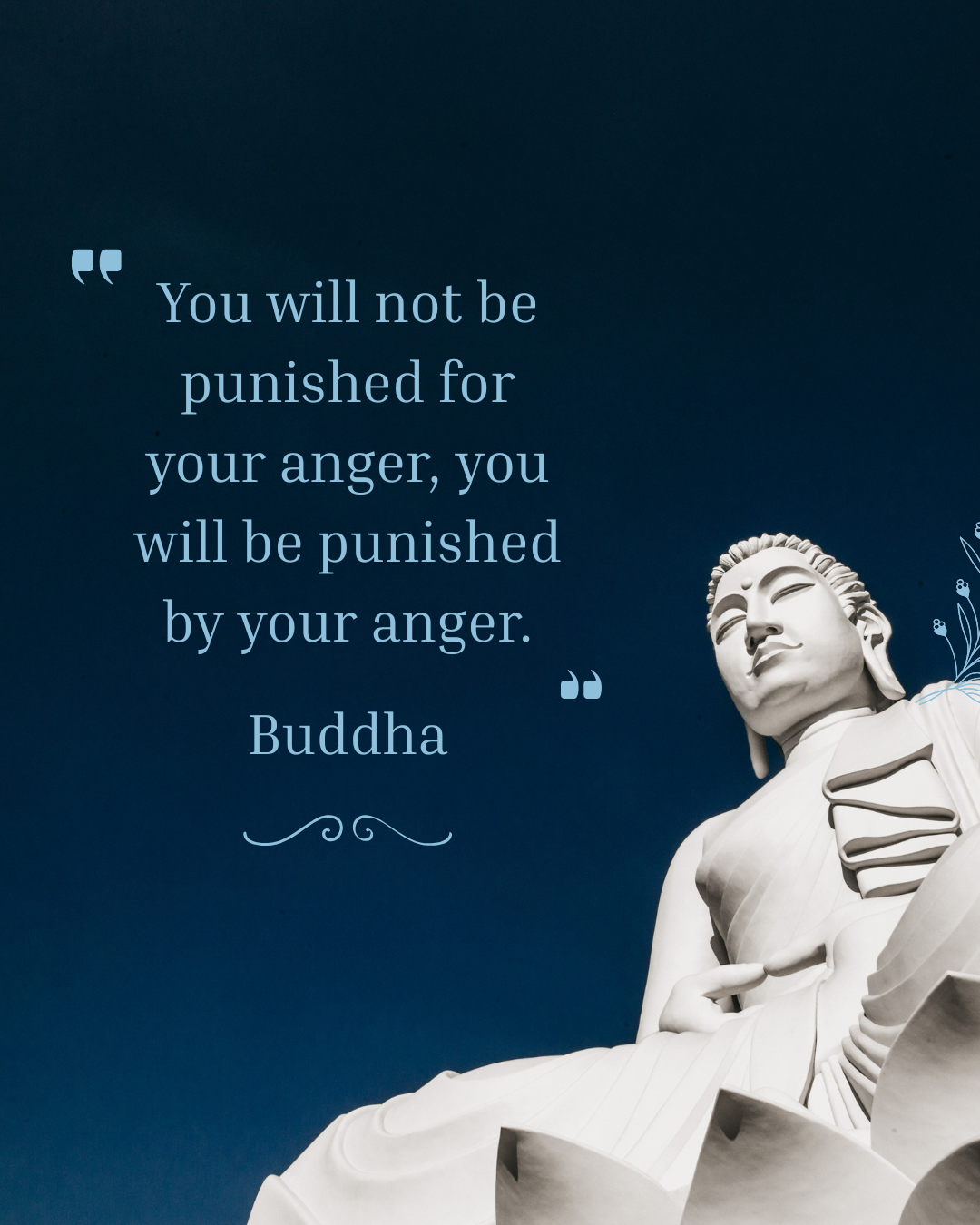
We’ve all been there. You’re in a conversation, somebody says bad words, and suddenly, the switch flips. The heat rises in your chest, your logic shuts down, and before you know it, you’ve said or done something you can’t take back.
For many men, this is a daily battle. But here is the harsh truth: there is a big difference between feeling anger and being controlled by it. Boy is going to react blindly to every poke and prod. Man will feel the fire but chooses how to channel it.
This isn’t about stuffing your emotions down until you explode. This is about anger management in its truest form, which is moving from being a slave to your impulses to becoming the master of your own mind.

The High Cost of Emotional Impulses
The Pressure to Be “Strong” vs. The Reality of Rage
Society has handed men a confusing script. We are told to be “strong” and “stoic”, which many interpret as “don’t feel anything”. But here’s the reality: when feelings like fear, sadness, or insecurity can be managed to become quiet or suppressed, they don’t vanish. They ferment. Eventually, they get redirected into explosive anger issues.
Suppressing emotions doesn’t make them disappear; it acts like a pressure cooker, leading to increased stress, anxiety, and severe strain on the relationships that matter most to you.
(You can listen the topic as a video on our youtube channel – Thebettermanproject
Why Reactivity is an Automatic Threat Response
Why does this happen so fast? Emotional reactivity is the tendency to respond to stimuli with heightened, automatic emotional responses. It’s biology. When you feel attacked, your brain’s threat detection centre (amygdala) kicks in long before your rational brain can evaluate the situation. This is known as an “amygdala hijack”.
The impulse to defend, attack, or withdraw is immediate. But in the modern world, where the “threat” is usually an email or a criticism from a partner, these inappropriate, extreme, or unchecked emotional reactions can impede your functional fit within society.
Defining True Mastery: Response vs. Reaction
To fix this, we have to define the goal. A reaction is impulsive, done without processing or thinking it through fully. It is defensive and often childish.
Mastery, on the other hand, means learning to filter emotional reactions so they become deliberate responses. The goal is to shift from reactive emotional impulsiveness to acting from principle, not provocation. That is the definition of true character strength.
Step 1: Master the Internal Map (Awareness)
Before you can control the outcome, you must first understand the battlefield i.e your inner emotional state.
Identify Your Core Triggers and “Buttons”
Awareness is the absolute key to stopping reactivity. Effective anger management begins by noticing exactly what triggers your anger. Is it being criticised? Is it feeling blamed? Or perhaps it’s the sensation of being unfairly treated?
Triggers are external actions or internal thoughts that spark an emotional reaction. You need to know what yours are. If you don’t know where the landmines are buried, you’re going to step on them.
Map Your Physical and Emotional Symptoms
Your body usually knows you’re angry before your brain admits it. You need to recognise the physiological signs of anger early. Does your heartbeat race? Does your stomach knot up? Do you find yourself quaking or shaking, or feeling a sudden spike in hypertension?
When you feel furious, dig a little deeper. You might actually be feeling misunderstood because you were doing your best, but nobody realised it. Remember, anger is often just a protective measure against a perceived threat.
Uncover the Hidden Feeling (It’s Not Just Anger)
Anger is a secondary emotion. It’s the bodyguard for more vulnerable feelings. Often, feelings like fear or sadness get redirected into anger or withdrawal because anger feels more “powerful”.
Ask yourself, “What is my anger saying about me?” It might be covering up feelings of guilt, frustration, disappointment, or feeling judged. You must look underneath the reaction to find what you are actually afraid of or what deeply held values are being threatened.
Step 2: Implement the Critical Pause (How to Control Anger Immediately)
Once you recognise the fuse is lit, the immediate priority is creating a space between the stimulus and your response. This is how to control anger immediately.
Use the Breath to Buy Time
Viktor Frankl famously said that in the space between stimulus and response lies the opportunity to choose. When you feel yourself starting to react emotionally, simply take a second, think, and breathe. You don’t have to respond immediately.
This sounds simple, but it is biologically necessary. Take a couple of slow, deep breaths to slow down your response. Deep breathing can down-regulate your stress response and give your prefrontal cortex (the logical part of your brain) time to re-engage.
Practise Immediate Physical and Cognitive Interruption
You need to break the circuit. When you feel yourself entering an emotionally reactive state, look for the moment you react emotionally and interfere before you speak.
An effective tactic is to exhale fully. It is physically impossible to speak back immediately while you are emptying your lungs. This gives the frontal cortex time to trigger post-amygdala. Cultivating mindfulness helps you increase awareness and nip these reactions in the bud before they cause damage.
Withdraw Strategically, Return Decisively
There is no shame in a strategic retreat. If you feel yourself getting angry, ask for space to process. But here is the crucial part: politely pause and let the other person know you need a minute because they are important to you.
If you need to leave a conversation to pull yourself together, state clearly that you will return because resolving the issue is important. Set boundaries that protect your peace; this may involve stepping away from the situation to avoid an impulsive action.
Step 3: Respond Based on Character, Not Impulse
The physical pause stops the old pattern; this final step replaces the reaction with sophisticated thought, turning temporary calm into lasting anger management.
Reframe the Threat: Change Your Interpretation
Emotional reactions are caused not by events themselves, but by how we interpret them—or how we “process” the trigger. If you think someone is disrespecting you, you will feel rage. If you think they are just having a bad day, you might feel pity.
This is called cognitive reappraisal. It involves changing the way you interpret a situation to alter its emotional meaning. Replace “hot thoughts” (e.g., “What a jerk! He’s trying to humiliate me!”) with “cool thoughts” (e.g., “Chill, it’s no big deal,” or “He’s obviously stressed”).
Choose Your Value Over Your Impulse
This is the mark of a man. Self-control is defined as the ability to subordinate an impulse to a value.
When tempted to react defensively, ask yourself: “Who do I want to be in this moment?” or “What would a wise, composed leader do here?” Instead of letting anger control you, choose to act in ways that reflect your deeply held values, such as understanding, respect, or patience.
Own Your State: Establishing an Internal Locus of Control
Focus on what you have control over: your own actions and internal state. You must shift your language from external blame (“He made me angry”) to internal ownership (“I felt anger when he spoke like that”).
Taking ownership of your internal state means others have less power over you. It aligns with the ancient Stoic idea that “You have power over your mind, not outside events.” When you realize this, you become untouchable.
Conclusion: Reclaiming True Strength Through Maturity
You have identified the core issues, mastered the immediate pause, and rebuilt your response around your values. This final shift defines mature masculinity.
The Strength of Vulnerability in Anger Management
Anger management is not about suppressing emotion, but learning to recognize anger early, regulate the nervous system, and respond in line with your values.
True strength lies in emotional honesty and openness. Embracing vulnerability helps break free from harmful gender stereotypes that keep men isolated. When a partner or loved one raises an issue, they are often expressing care for the relationship. Responding with acknowledgment and accountability is a true show of strength, not weakness.
The Long Game: Practice Makes Resilience
Cultivating emotional regulation is a complex and highly significant function in human life. It isn’t a switch you flip once; it’s a muscle you build.
Mastering this skill takes practice, sometimes aided by professional support like counseling or therapy, which provides a safe space to process underlying emotions. Regular self-examination, like reflecting nightly on where you kept your cool and where you lost your temper, helps build the capacity to observe and guide your own thought processes.
Final Charge: Stop Being a Marionette
Choose your response, not your reaction. If you react to everything, you are nothing more than a puppet—a marionette pulled by the strings of other people’s actions.
True freedom is having power over yourself. Ask yourself: What kind of person am I becoming, one deliberate response at a time?
Ready to Take Control?
Are your impulsive reactions dictating your life and damaging your relationships? Don’t let old patterns define your future. Take the definitive step toward mastering your emotions. Start your personalized anger management journey today by consulting a professional who specializes in helping men navigate these challenges.
Leave a Reply to The 1% Rule: How to Compound Self Discipline for Unstoppable Success Cancel reply